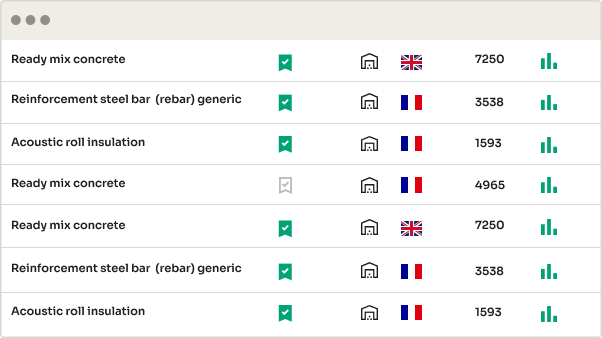
Guide for manufacturers

Comply with CPR, CBAM & ESPR

Navigate EU regulatory requirements with confidence — understand obligations, compliance timelines, and how verified EPD data helps you stay ahead. Particularly in the BENELUX, where requirements are already well established and supported by national frameworks such as NMD and TOTEM.
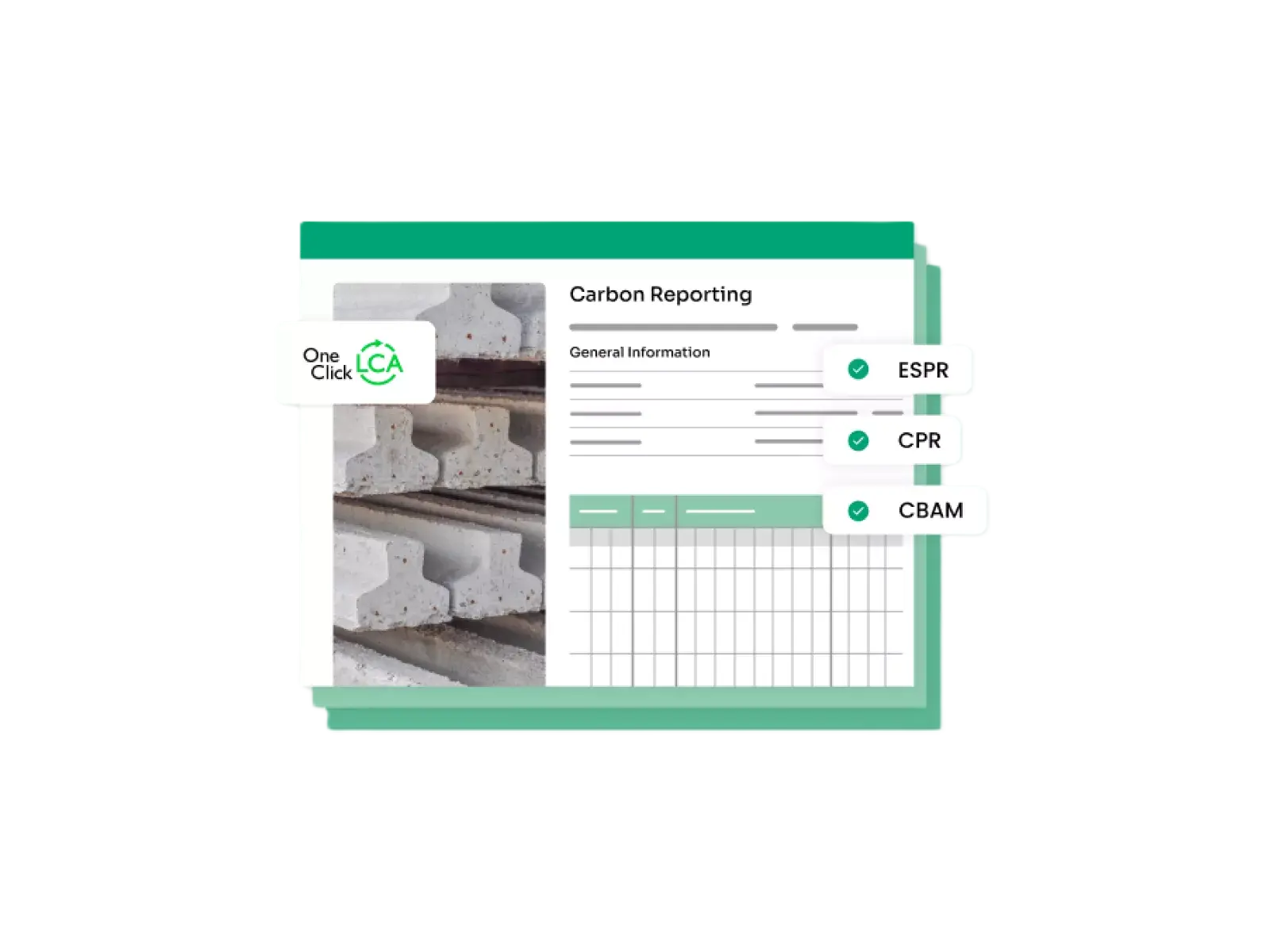
mfg-content-hub-bigger-hero-half-transparent-69982278b9232

CPR

What it is
The Construction Products Regulation (CPR) sets harmonized rules for placing construction products on the EU market. The revised regulation expands requirements to include structured environmental data alongside technical performance. In the Netherlands and Belgium, these requirements build on existing national frameworks such as NMD and Belgium’s B-EPD programme.

Who it affects
All manufacturers placing construction products on the EU market — including non-EU manufacturers exporting into the EU. This is particularly relevant in the BENELUX, where environmental data requirements are already embedded in national systems and workflows.

Why it matters
CPR compliance determines legal market access. In BENELUX, this goes further: environmental data must meet national requirements (e.g. NMD registration or B-EPD compliance) to be used in building assessments, tenders, and specifications — directly impacting whether products are selected.

Timeline
Regulation entered into force  January 7, 2025

CBAM

What it is
The Carbon Border Adjustment Mechanism (CBAM) introduces carbon pricing and emissions reporting requirements for certain carbon-intensive products imported into the EU. For companies operating through major entry points, CBAM is becoming a core part of import and compliance processes.

Who it affects
EU importers of covered goods — and manufacturers supplying products such as cement, steel, aluminum, and other emission-intensive materials.  This is particularly relevant for companies operating in the Netherlands, Belgium and Luxembourg, given their role as key EU import and distribution hubs.

Why it matters
Importers require reliable product-level emissions data. Manufacturers unable to provide verified carbon data risk cost exposure, commercial disadvantage, or reduced market access. Importers require reliable product-level emissions data. In BENELUX markets, where a large share of CBAM-covered goods enters the EU, this directly affects cost exposure and operational complexity.

Timeline
Regulation entered its definitive phase January 1, 2026

ESPR

What it is
The Ecodesign for Sustainable Products Regulation (ESPR) establishes a framework for sustainability, circularity, and product information requirements across multiple product categories.

Who it affects
Manufacturers placing regulated products on the EU market, including construction-related materials and components.

Why it matters
ESPR will progressively define what environmental data must be disclosed and structured — shaping future Digital Product Passport requirements and procurement expectations across EU supply chains.

Timeline
Regulation entered into force — July 18, 2024

The role of EPDs in EU regulatory compliance

EPDs are shifting from voluntary transparency tools to strategic compliance assets. Under the revised CPR, manufacturers must increasingly declare environmental characteristics in harmonized formats aligned with EN 15804 methodology — the same methodological framework used for construction EPDs. The ESPR builds on this through Digital Product Passports, embedding structured environmental data into each product’s official digital record. At the same time, CBAM increases demand for reliable product-level carbon data to support importer reporting obligations.

In the Dutch Nationale Milieudatabase (NMD), products without a verified, Category 1 EPD are penalized with less favorable data in building calculations, directly impacting MPG scores and specification outcomes. In Belgium, EPD data must be registered under the B-EPD programme to be used in tools such as TOTEM — a prerequisite for inclusion in building-level environmental assessments.

83% of AEC professionals report that EPDs influence material selection in building projects. Manufacturers with robust, third-party verified EPD data are better positioned to strengthen procurement performance and compete in carbon-conscious tenders.
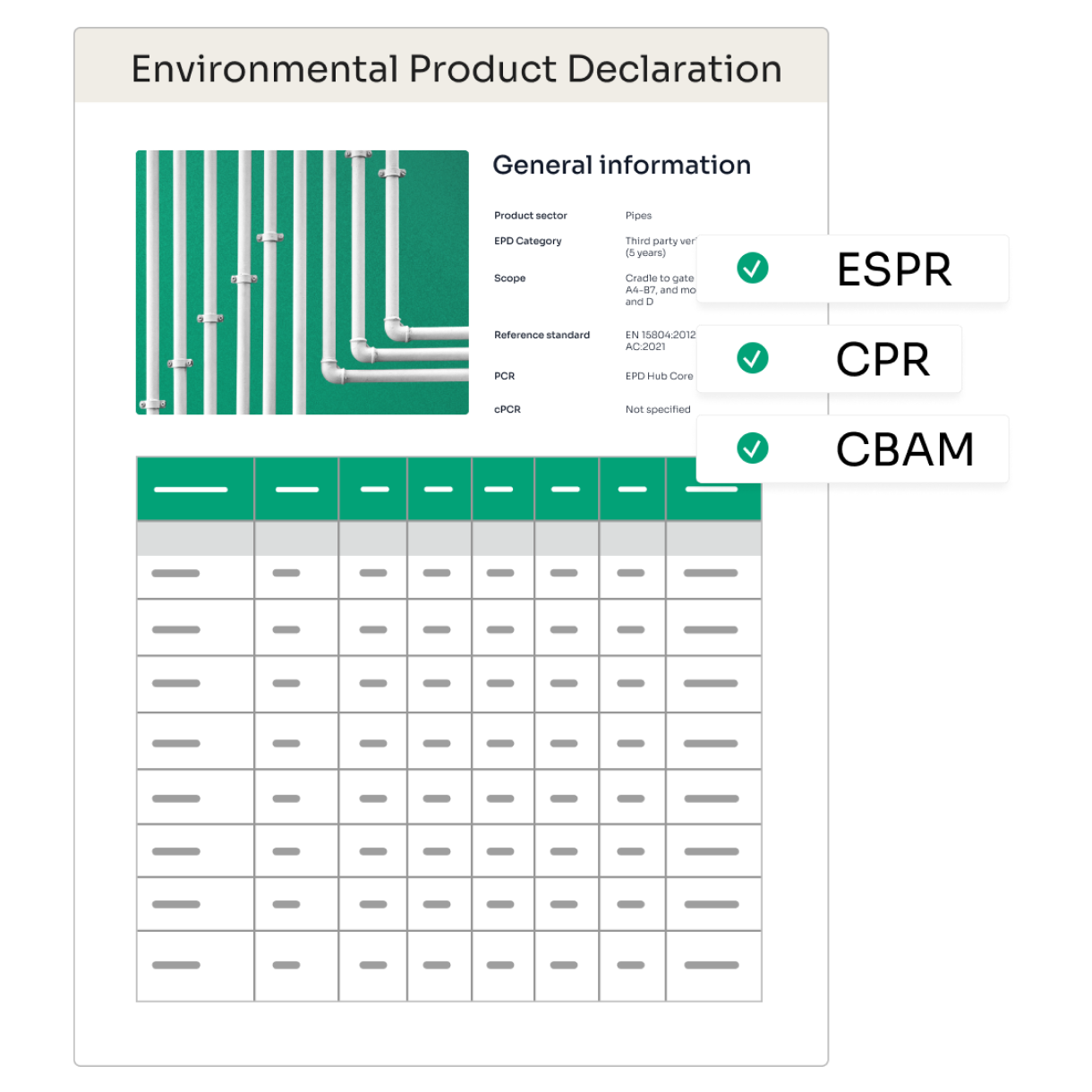
Read our simple guide to EPDs
See what an EPD looks like
EPDs and ESPR,CPR update_highligt image

Netherlands — NMD and environmental performance frameworks


For manufacturers
The Nationale Milieudatabase (NMD) is a central system for environmental performance data in the Dutch construction sector. Product data registered in the NMD — particularly Category 1 (company-specific, verified) — is widely used by designers and specifiers in building assessments and project evaluations. Products without NMD registration rely on less specific data, which can make them less competitive in design and procurement processes.

As requirements evolve, the use of standardized LCA data based on EN 15804+A2 is becoming the norm across Dutch construction projects. This increases demand for verified, up-to-date EPDs that can be used consistently in national tools and workflows.

For importers & contractors
Environmental performance also plays a growing role in infrastructure procurement. Metrics such as MKI (Milieukostenindicator) are used in public tenders to compare the environmental impact of materials and design choices. In practice, this means that product-level LCA data must align with Dutch methodologies to be usable in tender evaluations.

For non-Dutch suppliers, this creates an additional layer of complexity: EPDs that are valid elsewhere in Europe may still require adaptation to meet NMD requirements and be usable in Dutch calculations and procurement contexts.

Belgium — The B-EPD Programme & TOTEM


For manufacturers
Belgium operates the B-EPD programme — a national EPD framework managed by the Federal Public Service for Health, Food Chain Safety and Environment. A B-EPD is mandatory for any environmental product claim on the Belgian market, follows EN 15804+A2 plus Belgian-specific PCR rules, and must be verified by an accredited Belgian verifier before registration. This is a separate compliance track from international EPD programmes.

Once registered, a B-EPD can be integrated into TOTEM — Belgium's official building environmental assessment tool, co-developed by the three regions (Flanders/OVAM, Brussels Environment, Wallonia). TOTEM is what architects and engineers in Belgium use to calculate a building's environmental profile. If your product data isn't in TOTEM, it can't be used in Belgian building assessments — regardless of whether you have an international EPD.

TOTEM updates its database twice a year, so manufacturers need to account for lead time when planning product launches or specification campaigns.

For specifiers & contractors
TOTEM is linked to BREEAM certification (Belgian projects can use TOTEM results for the materials category) and is the reference tool for green public procurement criteria in Belgium. The three regional governments are each setting increasingly ambitious embodied carbon targets for public buildings — Flanders toward circular economy by 2050, Brussels RENOLUTION targeting carbon neutrality by 2040, Wallonia by 2050 — all of which flow through TOTEM at the product selection stage.

Luxembourg — CBAM Exposure


Luxembourg's construction market is smaller but its industrial profile and a dense network of steel-intensive construction makes it disproportionately exposed to CBAM.

Manufacturers and contractors sourcing steel, aluminium or cement from outside the EU face direct financial liability from 2026. Verified carbon data at the product level is no longer a sustainability report line item — it's an input to a financial calculation with real cost consequences.

For Luxembourg-based companies, building a credible emissions data pipeline for key material inputs is now a treasury and procurement priority, not just a sustainability one.

Create EPDs easily with One Click LCA

Manufacturers can create EPDs 10 times faster than the industry average with One Click LCA. This speed is enabled by industry-specific ready-to-use templates, access to the world’s largest construction LCA database, and AI-powered automated workflows that streamline data collection, third-party verification, and EPD publication.

By centralizing product information in one platform, you can efficiently scale EPD creation across your portfolio — supporting CPR disclosures, preparing for Digital Product Passport integration under ESPR, and providing the product-level carbon data increasingly required under CBAM and EU procurement frameworks.
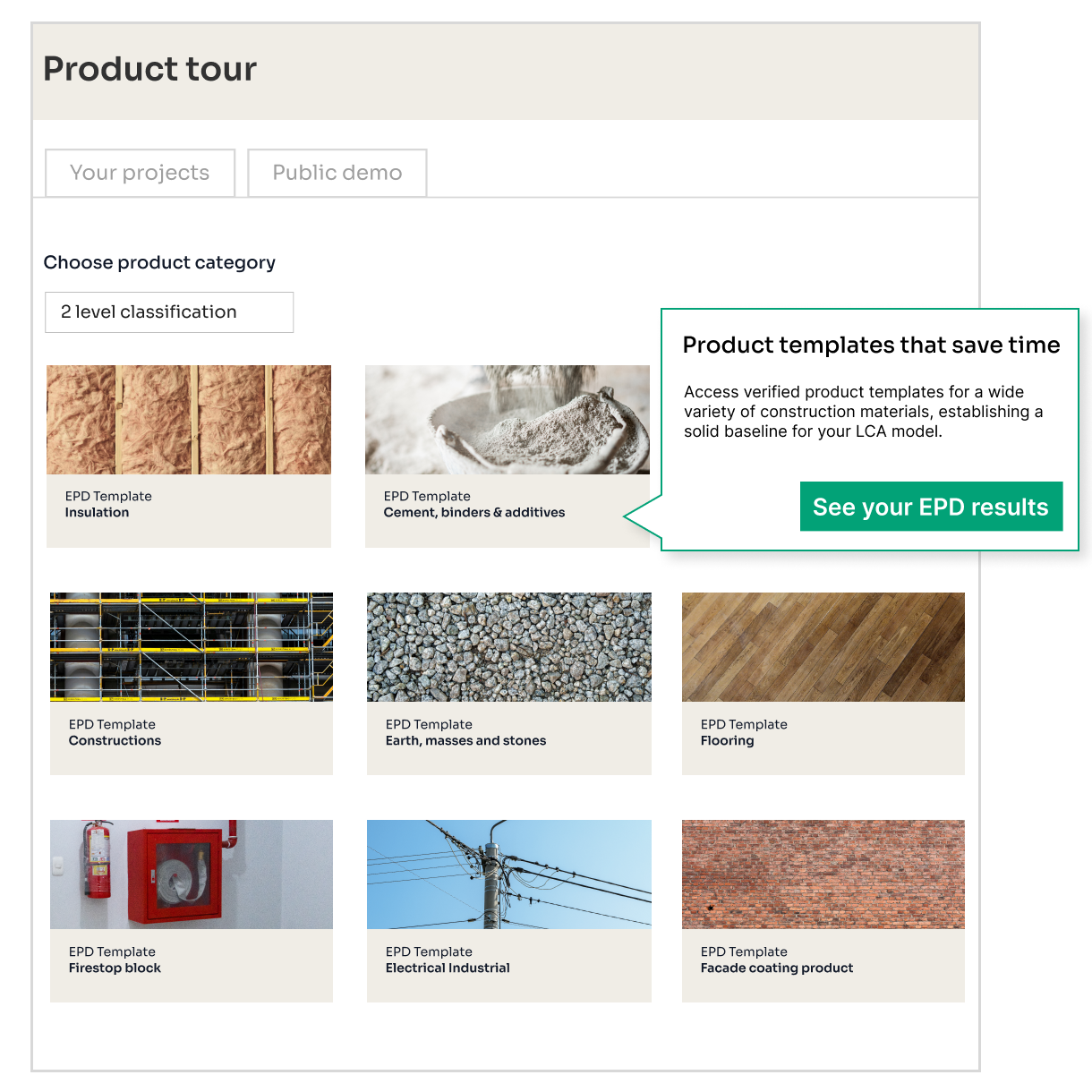
Take the EPD creation tour
Book a demo
Product tour_highlight image-1

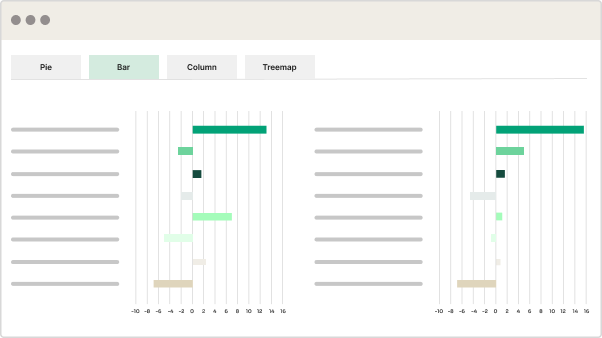
EPD Generator

Create verified EPDs for any product across any industry. Produce EPDs ready for third-party verification, generate private EPDs, and perform TM65-compliant calculations while supporting CPR and ESPR requirements.
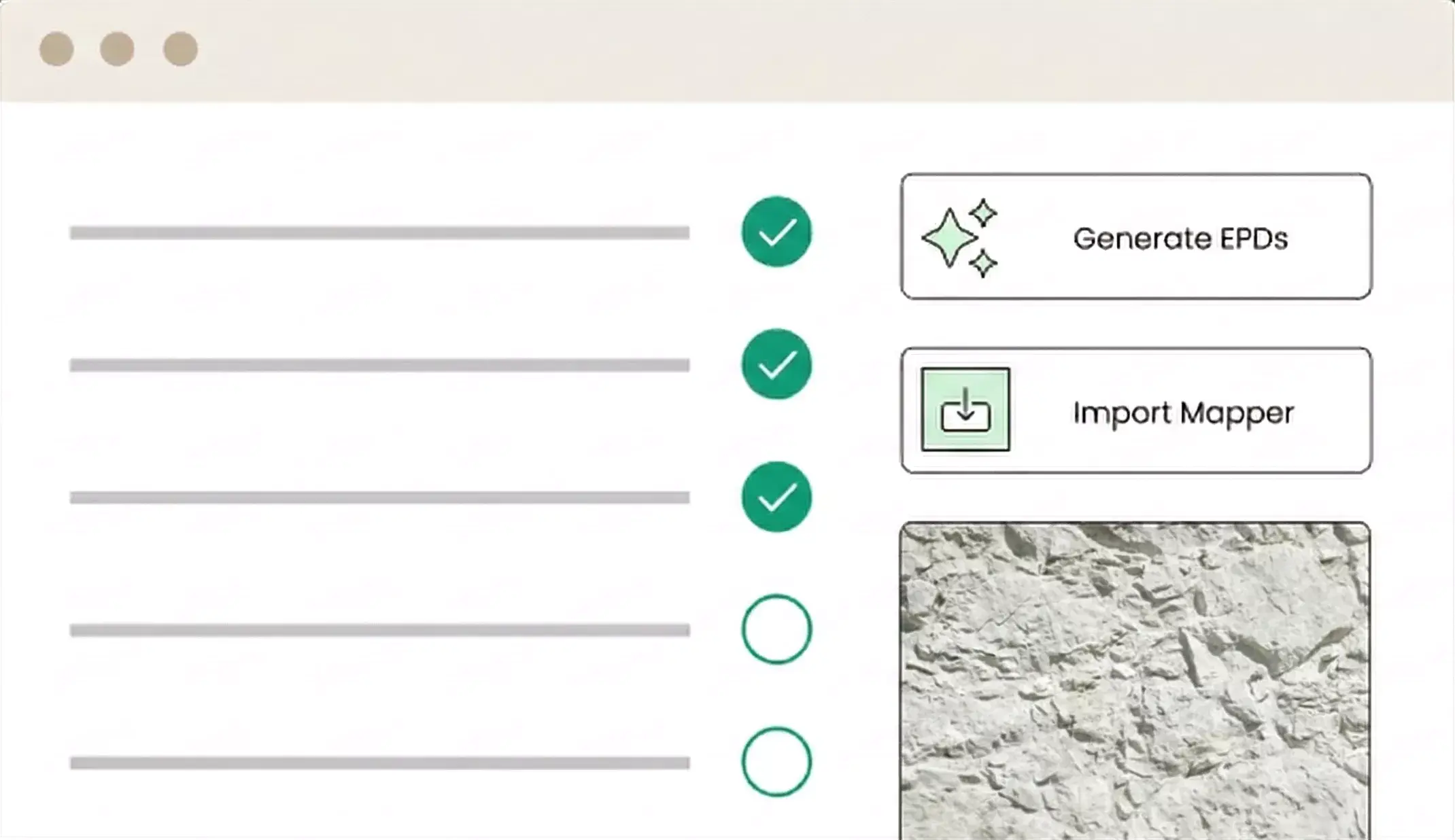
EPD Generator for NMD

Create NMD-compliant EPDs for construction products in the Dutch market. Generate EN 15804+A2-aligned EPDs formatted for the Nationale Milieudatabase (NMD), automate LCA calculations including shadow pricing (MKI) and streamline verification-ready outputs.
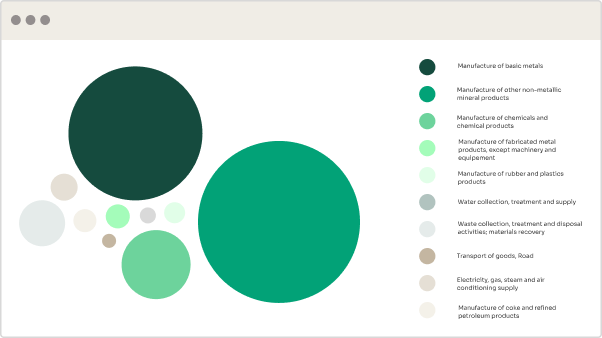
Concrete EPD Generator

Develop EPDs for concrete mixes using ready-to-use templates aligned with industry standards. Prepare EPDs for third-party verification while meeting EN 15804 requirements and concrete product reporting needs.
Product carbon footprint

Measure and report product emissions from cradle-to-grave with the Product carbon footprint (PCF) tool. Calculate carbon footprint and comply with ISOs 14040, 14044, 14067, CBAM and EN 15804.
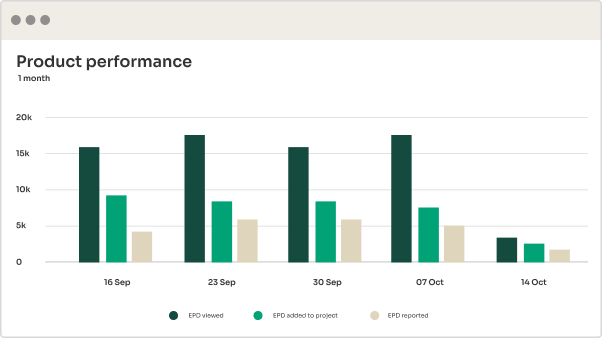
EPD Usage Analytics

Track and analyse how your EPDs perform, giving you a clear view of metrics like the number of views and the level of interest your products are generating.
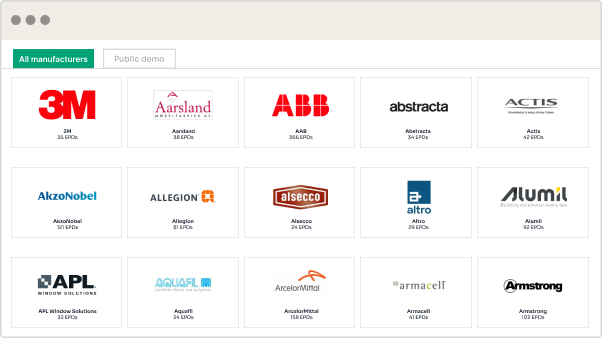
Manufacturer pages

Get your products in front of AEC professionals through a database of over 500,000+ LCA datasets. Help specifiers and buyers find your EPDs and get specified.

Why manufacturers trust One Click LCA

Soler & Palau uses EPDs to reduce carbon in HVAC

Soler & Palau, the leading Spanish manufacturer of ventilation solutions, is addressing this gap through cradle-to-grave EPDs, supported by product-specific operational modelling and standardized LCA protocols.

Group 5 (1)
Heidelberg Materials_logo

"Not all of our competitors create EPDs, and since we do, it's a big benefit for us. Some projects we have won because we had the best EPDs and were able to provide answers surrounding them. With more and more need for reduced carbon footprint when building, EPDs will become increasingly important."

Andreas Lidö

Heidelberg Materials Precast Abetong

Whitecroft lighting_logo-1

"A detailed analysis from One Click LCA on our materials led to us identifying a potential 70% reduction in the global warming potential for our LED board. This achievement was made possible by close collaboration with the supply chain and a deep understanding of the carbon data associated with their materials."

Matt Paskin

Solutions & Marketing Director at Whitecroft Lighting

OTB Materials_logo

"I was able to make adjustments that reflected regional conditions with a prospect, on-site and quickly. That moment turned into a serious business discussion. The tool enables not just compliance, but growth."

Steven McLaughlin

Operations Manager at OTB Materials

Frequently asked questions

Learn more about EPDs

Are EPDs mandatory in the EU?

 EPDs are not yet mandatory across the EU, but they are quickly becoming a standard requirement in construction markets. Many public projects, green building certifications, and procurement frameworks already require EPDs to demonstrate product environmental performance.

Several European regulations and national policies are also increasing demand for EPDs. Examples include the EU Construction Products Regulation (CPR) framework, France’s RE2020 regulation, and carbon disclosure requirements in countries such as the Netherlands. Similar trends are emerging globally, with initiatives like “Buy Clean” policies in the UK and US encouraging or requiring EPDs in public procurement.

As a result, EPDs are increasingly becoming essential for market access. The One Click LCA EPD Generator helps manufacturers prepare verified EPDs efficiently and stay ahead of evolving requirements.

Why is third-party verification necessary?

 Third-party verification ensures that Environmental Product Declarations (EPDs) provide reliable, impartial, and comparable environmental information. It is a core requirement of the international standard that defines EPDs, ISO 14025.

An independent verifier reviews the data, methodology, and results to confirm that the EPD follows the relevant product category rules and reporting standards. Without third-party verification, most EPDs will not be accepted by certification schemes, regulations, or public procurement requirements.

While skipping verification may seem simpler initially, verified EPDs are typically required for market acceptance and credibility.

I already have an international EPD. Is it valid in the Netherlands and Belgium?

Not automatically. In the Netherlands, your EPD must be registered in the NMD using a methodology that complies with the Dutch Bepalingsmethode — not all background databases accepted under EN 15804+A2 are accepted by NMD. In Belgium, you need a B-EPD registered in the federal database to make environmental claims on the Belgian market and to have your product integrated into TOTEM. Our team can advise on what additional steps your existing EPD requires for each market.

Do I need to publish my EPD?

 No. You can choose to keep your EPD private if it is only needed for internal use or for tendering purposes.

However, publication is required if you want your EPD to be publicly listed and recognized by program operators, certification schemes, or procurement frameworks. Our team can support you throughout the publication process.

With the One Click LCA Pre-verified EPD Generator, you can also benefit from a faster and more cost-efficient publishing process.

Where can I publish EPDs?

 EPDs created with One Click LCA can be published in virtually any EPD program worldwide. The platform helps manufacturers prepare documentation aligned with a wide range of program operator requirements.

One Click LCA maintains pre-verified status with several program operators, including EPD Hub and NRMCA. This enables a streamlined documentation process and a faster, more cost-efficient path to EPD publication.

Customers also use One Click LCA to publish EPDs with operators such as the International EPD System, UL Solutions, IBU, EPD Norge, and PEP Ecopassport.

Dedicated tools are available to support the documentation and reporting requirements of programs such as the International EPD System, EPD Australasia, and PEP Ecopassport. The platform also supports national databases and specialized programs, including the publication of FDES for the French INIES program with pre-generated INIES documentation and alignment with the Dutch Nationale Milieudatabase.

One Click LCA is also approved by the Concrete Sustainability Council for achieving its sustainable concrete ratings.

What is TOTEM and do I need to register in it?

TOTEM is Belgium's official building environmental assessment tool, used by architects, engineers and public authorities across all three Belgian regions. If your B-EPD is not registered in TOTEM, your product data cannot be used in Belgian building assessments — limiting your visibility with specifiers and your eligibility for public projects. TOTEM updates twice a year, so early registration is advisable.

How does CBAM affect construction product companies in BENELUX?

If your company imports cement, steel, aluminium or related inputs from outside the EU above the 50-tonne threshold, you face financial obligations from January 2026 — including the purchase and surrender of CBAM certificates. The cost depends on whether you use verified actual emissions data from suppliers or fall back on default values (which were revised downward in late 2025, increasing cost exposure for those without verified data). From 2028, CBAM is proposed to expand to approximately 180 downstream products, including many construction-related components. Product-level carbon data — the kind generated in an LCA or EPD process — is the foundation of a defensible CBAM compliance position.

Why choose One Click LCA EPD Generator over traditional LCA software?

 The One Click LCA EPD Generator is designed specifically for product-level environmental assessments, enabling manufacturers to create LCAs and EPDs faster and with less complexity than traditional LCA software. The platform automates much of the data collection and calculation process, while providing access to leading LCA databases, including Ecoinvent.

Unlike general-purpose LCA tools, One Click LCA focuses on delivering verified results efficiently, with transparent pricing and expert support throughout the EPD process.

Choose this option if:

  • You want transparent, fixed pricing for the full EPD delivery process.
  • You want to provide your supply chain with an affordable, easy-to-use way to generate product EPDs.
  • You have limited experience with EPDs and want expert LCA review of your data.
  • You want your LCA work reviewed by an experienced professional before third-party verification.
  • You want a single point of contact responsible for compliance and timelines (EPD Hub).
  • You can collect and input the manufacturing and product data required for your EPD.