/buildings_card-fourth.webp)
.jpg)
/menu_Company_Open-positions_card-fourth.webp)

SUSTAINABLE PLANNER
Check every concept for urban heat island risk, wind comfort, and carbon
Microclimate results run on ENVI-met, the same simulation engine specialists use for detailed studies, so you can show clients stronger options, cut feasibility time, and avoid costly redesign. No BIM model or simulation expertise required.
Trusted by the world’s leading construction and engineering companies








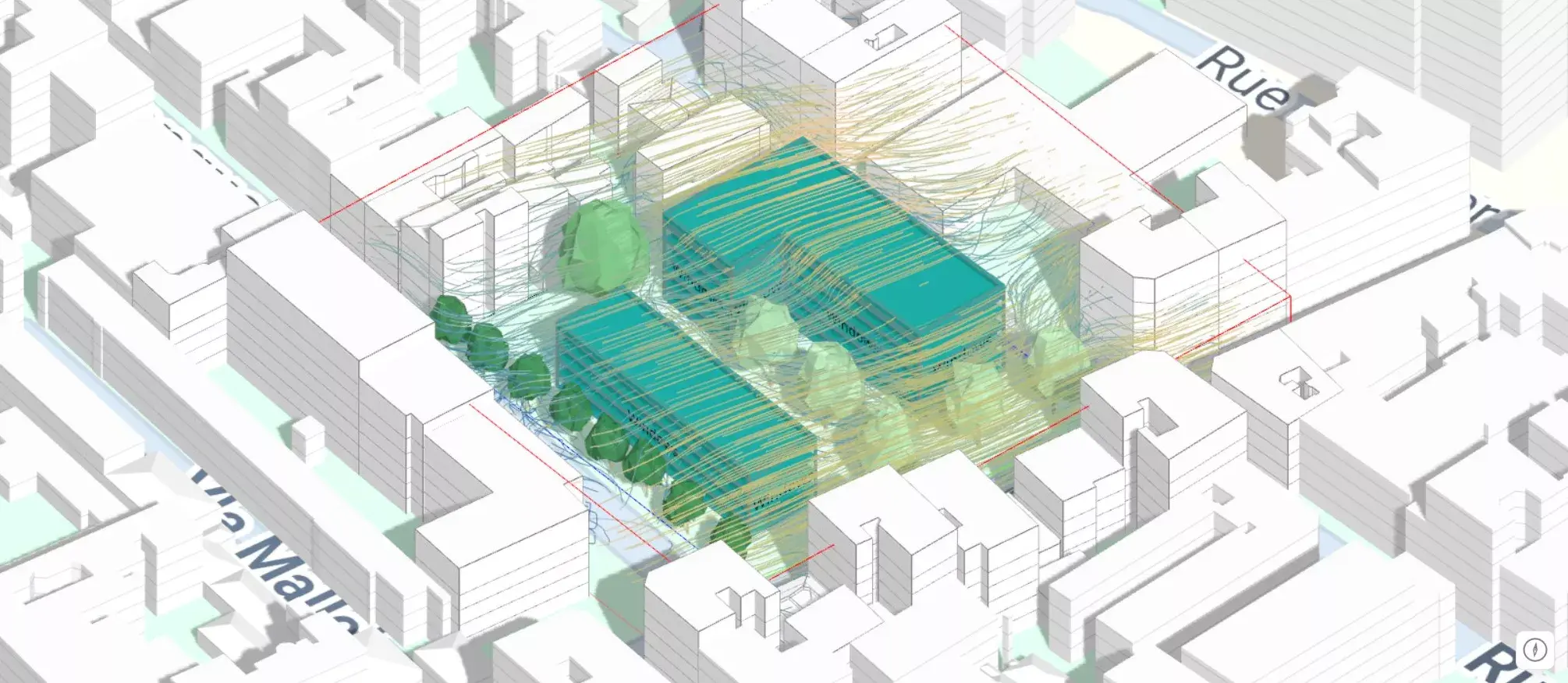
Wind flow analysis
See where your massing creates uncomfortable airspeeds at street level, before a planner or client raises it.
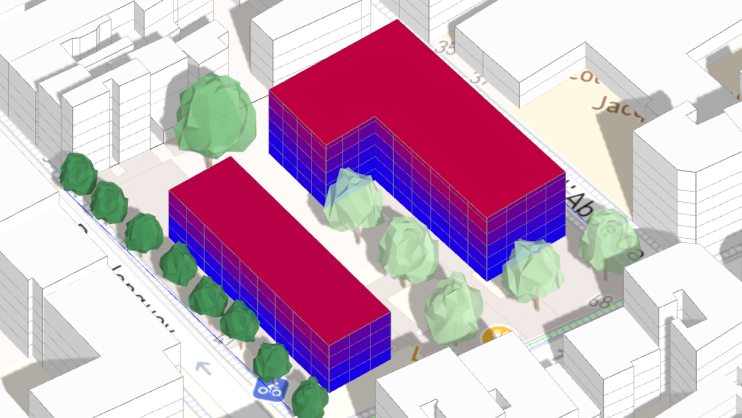
Sun exposure
Understand facade exposure and shading so you can shape and orient buildings for comfort and energy performance.
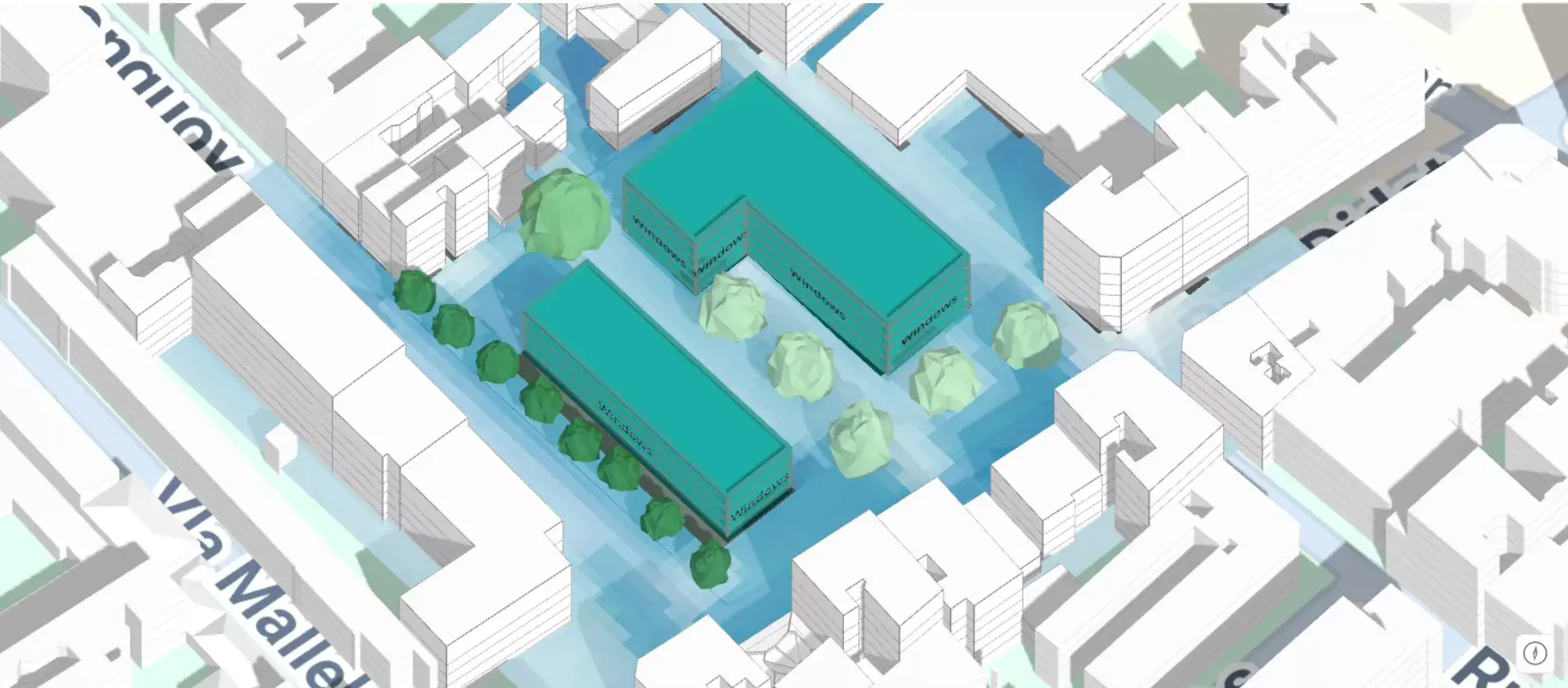
Heat and surface temperature
Spot urban heat island hotspots around your site and see how each design change reduces heat stress.
The biggest decisions happen before the models do
Massing, orientation, and site layout lock in most of a project’s carbon footprint, heat exposure, and pedestrian comfort before detailed design begins.
At this stage, most teams rely on intuition, spreadsheets, or a consultant study that takes weeks. Feasibility tools give you geometry and yield, but no environmental direction. Teams end up developing weak concepts, and problems surface when they cost the most to fix.
Sustainable Planner gives you credible environmental evidence at the one moment it can still change the outcome.
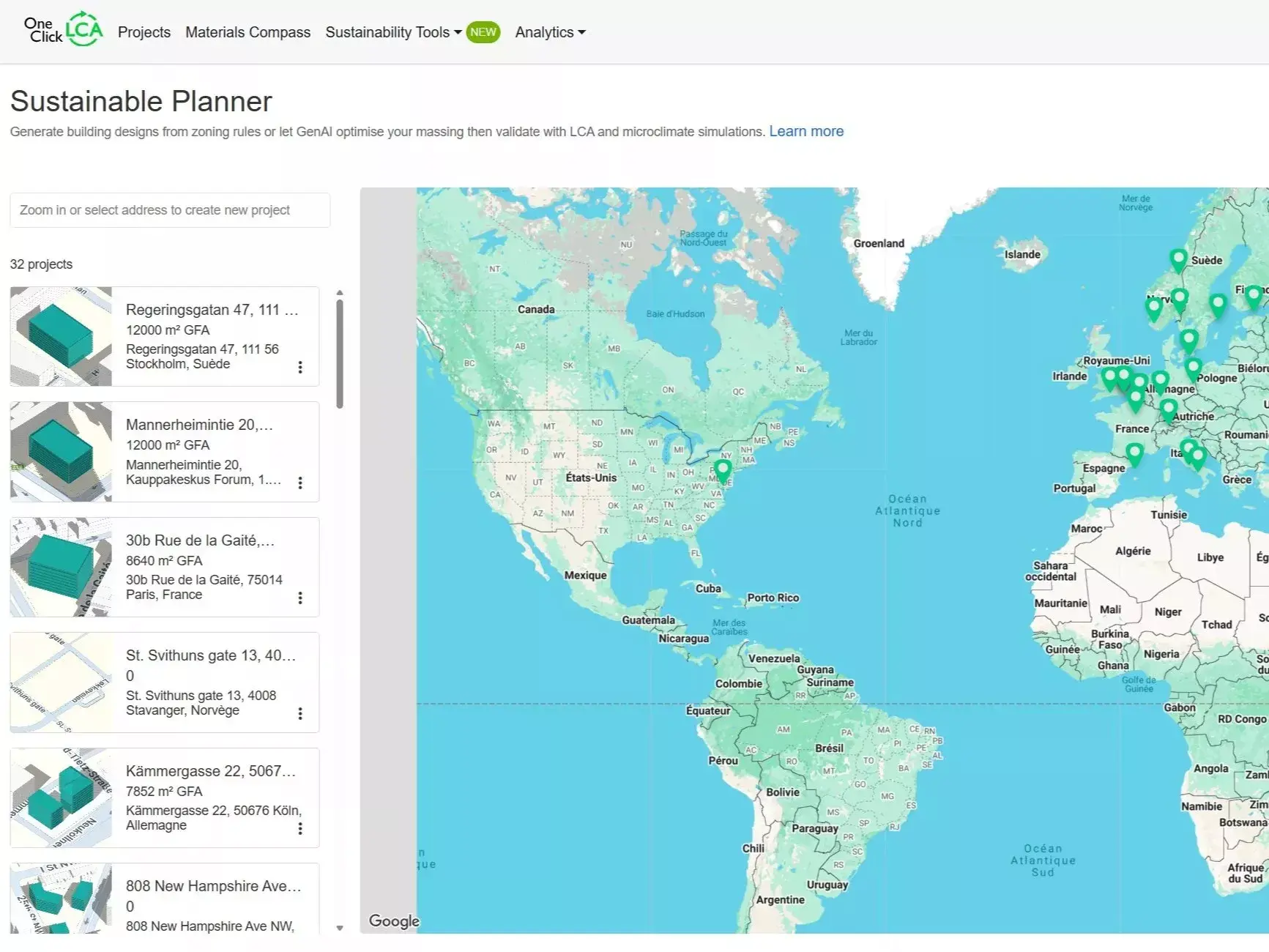
Show clients stronger options, faster
Paste your local zoning text and Sustainable Planner proposes up to 10 design options that fit your planning constraints. Each option comes with climate and carbon results, ready to compare.
You present several tested options in the time it usually takes to prepare one, each backed by environmental evidence your client can see.
Built-in climate data for your site means no data sourcing and no specialist interpretation.
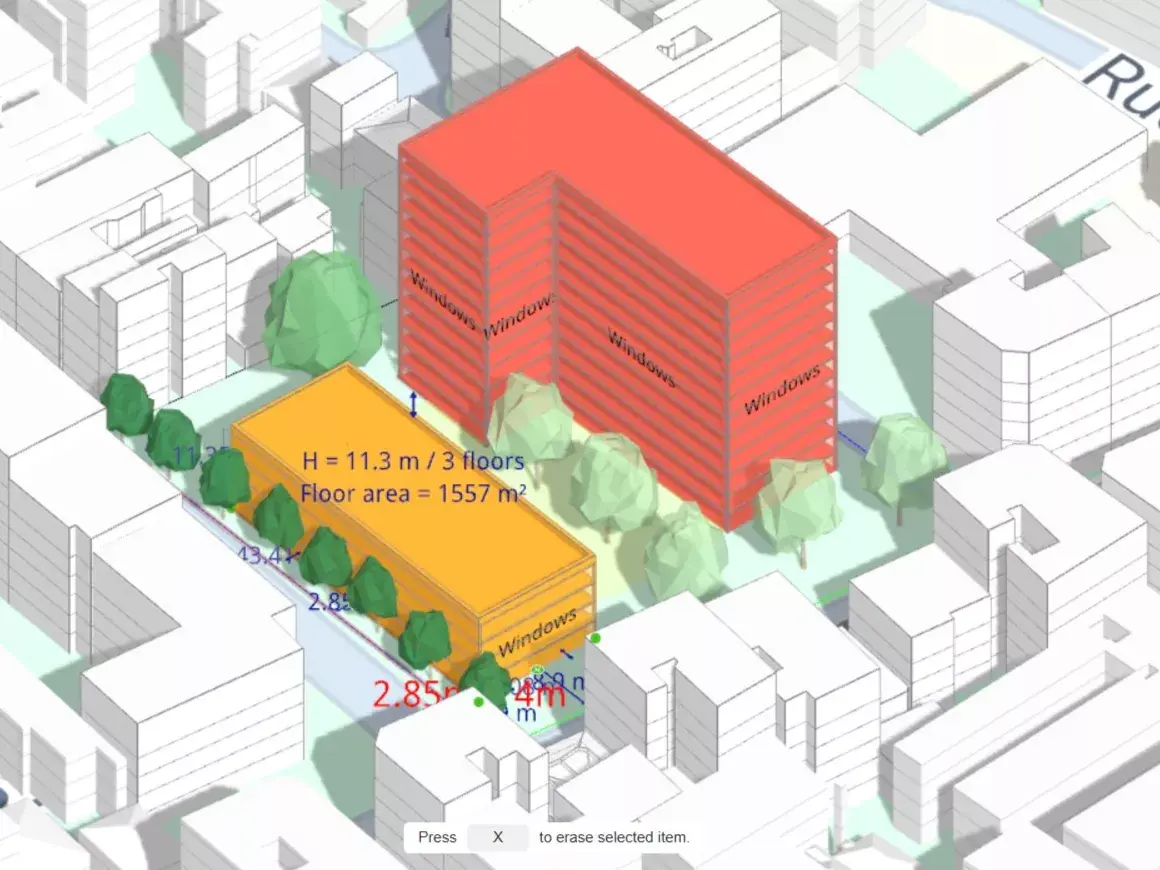
Who it's for
Built for the teams who shape concepts
Architects and urban designers can show clients more viable options. Sustainability consultants and engineers can give early answers before a detailed model exists. Developers can check site potential and environmental risk before committing to acquisition or a full design team.
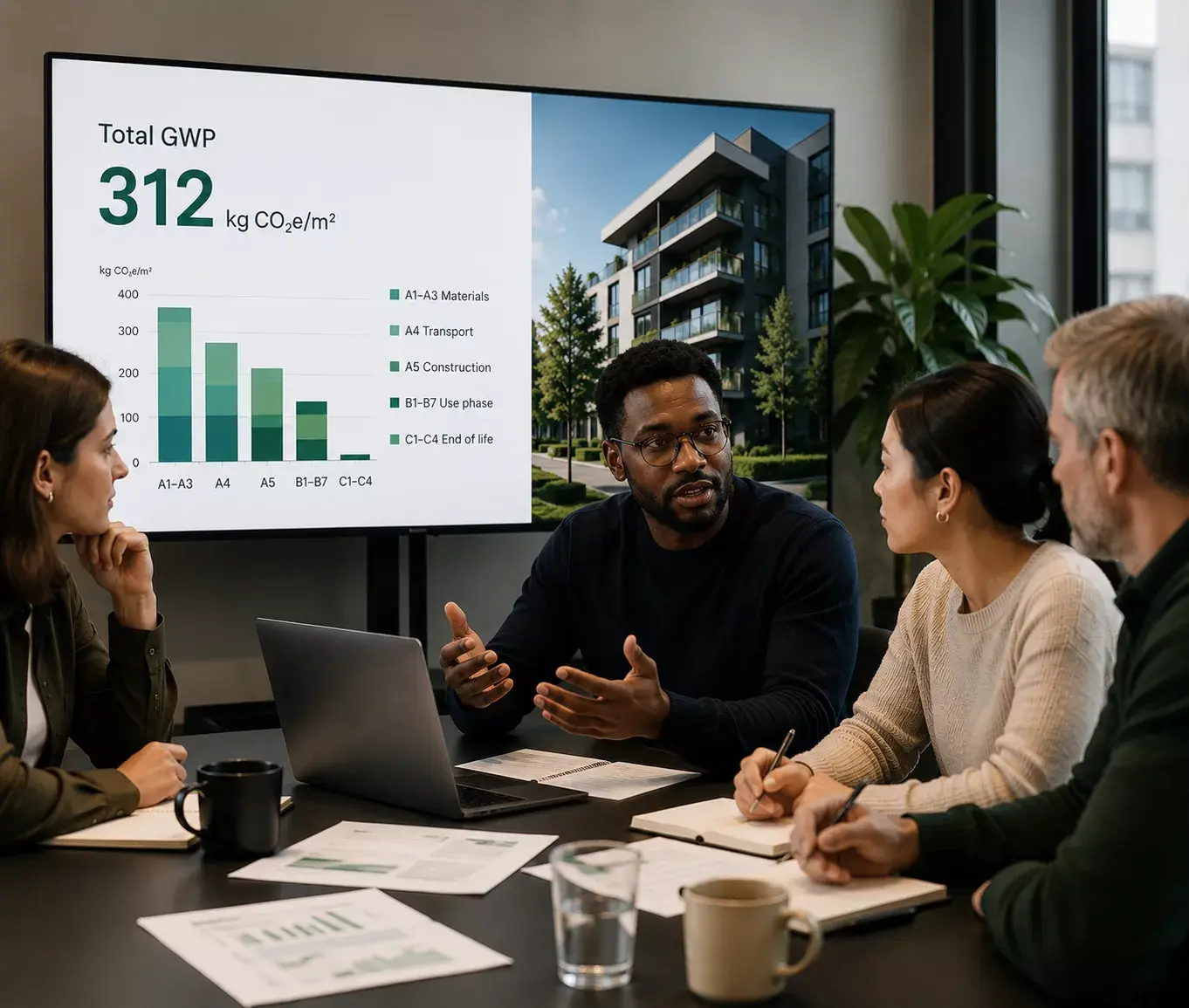

Start with a site and a few inputs

Climate data built in

Up to 10 options in minutes

No simulation expertise needed

Results clients understand
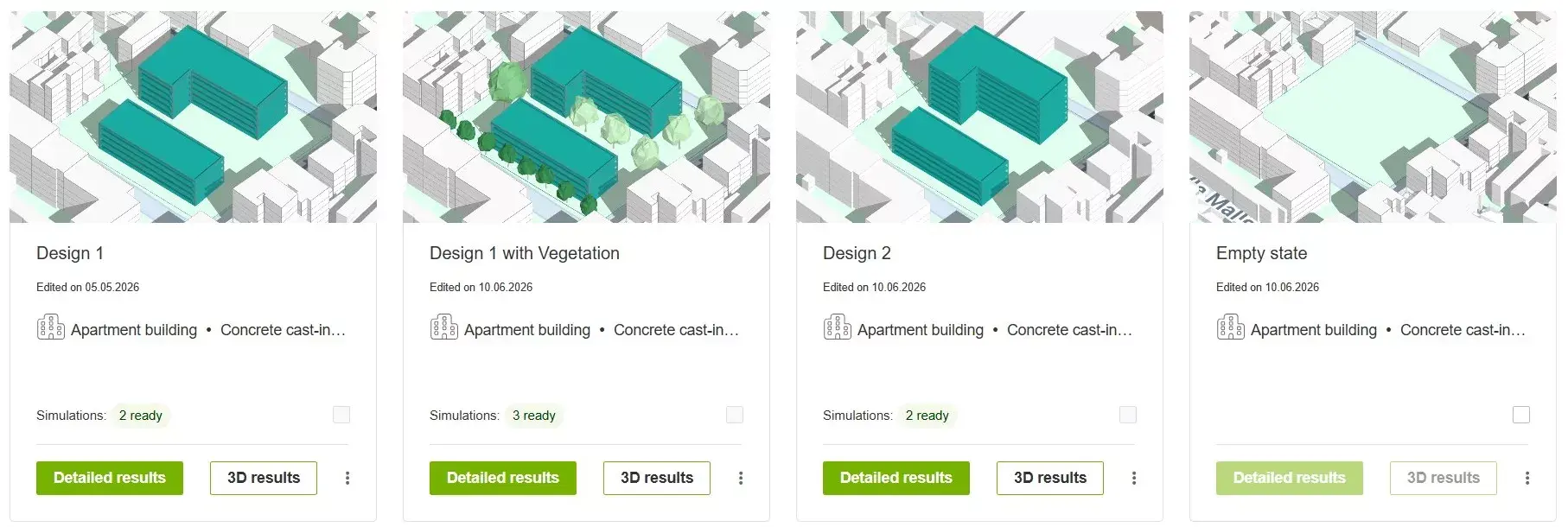
Manage design variants
Keep every design direction in one place. Create, duplicate, and compare variants without rebuilding your work.
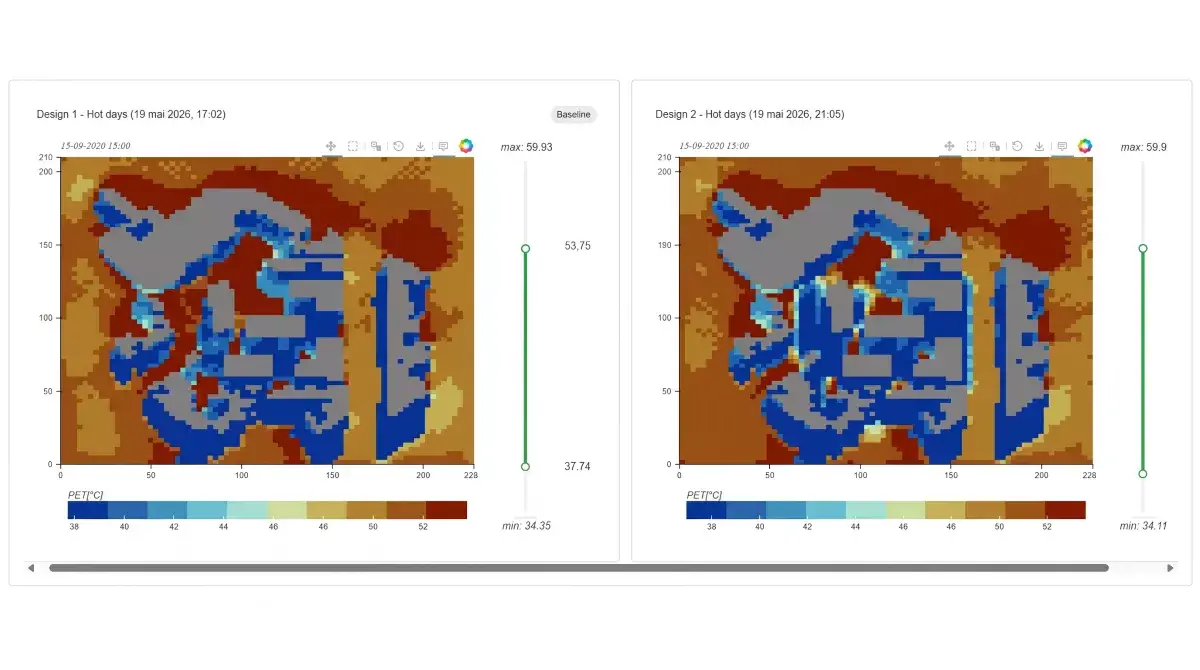
Compare on thermal comfort
Side-by-side PET maps show which concept keeps people cooler and more comfortable, so you can explain your choice to clients and planners.