/buildings_card-fourth.webp)
.jpg)
/menu_Company_Open-positions_card-fourth.webp)

Research
2026 Carbon Experts Report
Product data proves essential to decarbonize the construction industry. Learn how professionals across the value chain can work to reduce carbon and improve their market position.

A note from the CEO & Founder
The construction value chain faces a practical challenge. The 2026 Carbon Experts Report highlights the role of reliable product data: when available, carbon reductions of up to 40% are possible. Without it, decarbonization stays slower, more costly, and harder to scale.
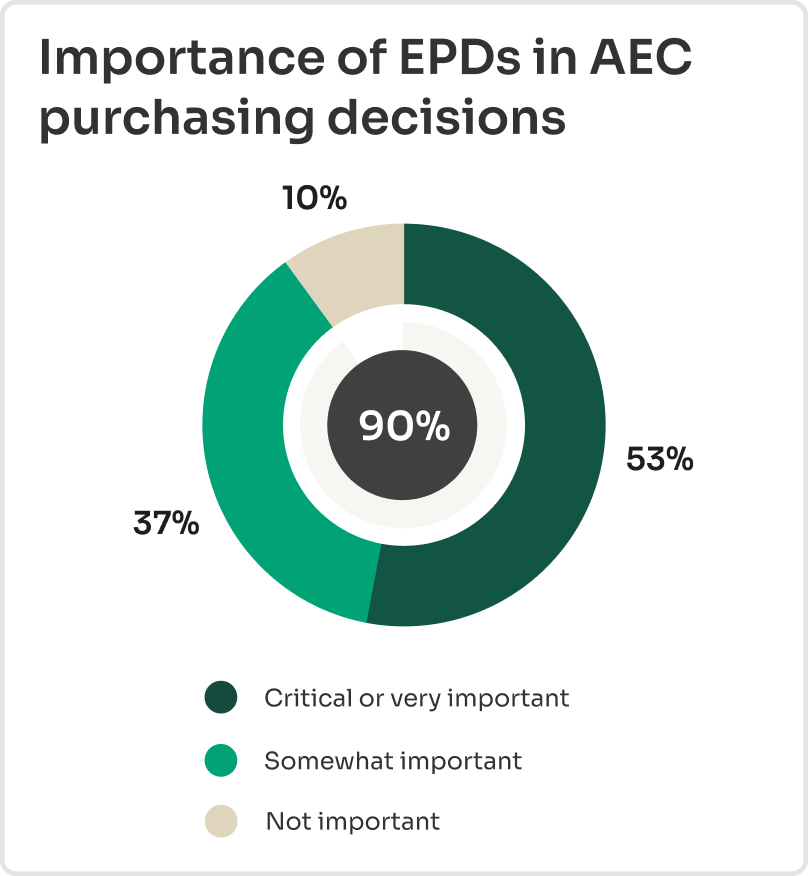
90% of AEC professionals already prefer products with EPDs. However, manufacturers face cost and complexity to cover entire product portfolios, which limits decarbonization downstream. We need more verified data, shared regulations, and increased awareness about LCA to continue progressing. On a promising note, smarter automation and AI-assisted data processes significantly reduce manual efforts and accelerate scale. This report offers a clear path to decarbonize construction and highlights the need for cross-sector collaboration.

About the 2026 report
This report provides insight into the current state of decarbonization practices, product and project life cycle assessment (LCA), the role of Environmental Product Declarations (EPDs), and data-driven decision-making. It analyzes the findings of two global surveys conducted to AEC professionals and construction product manufacturers.
It informs industry leaders and policymakers on the effective road to net-zero targets. The report highlights the importance of verified product data, the need for decisive regulatory actions and harmonized standards, and the role of emerging technologies to scale life cycle assessment at industry level.

Product data is central
Construction professionals clearly point to specific data, mainly in the form of EPDs and results from LCAs, as the central element to advance decarbonization in building.
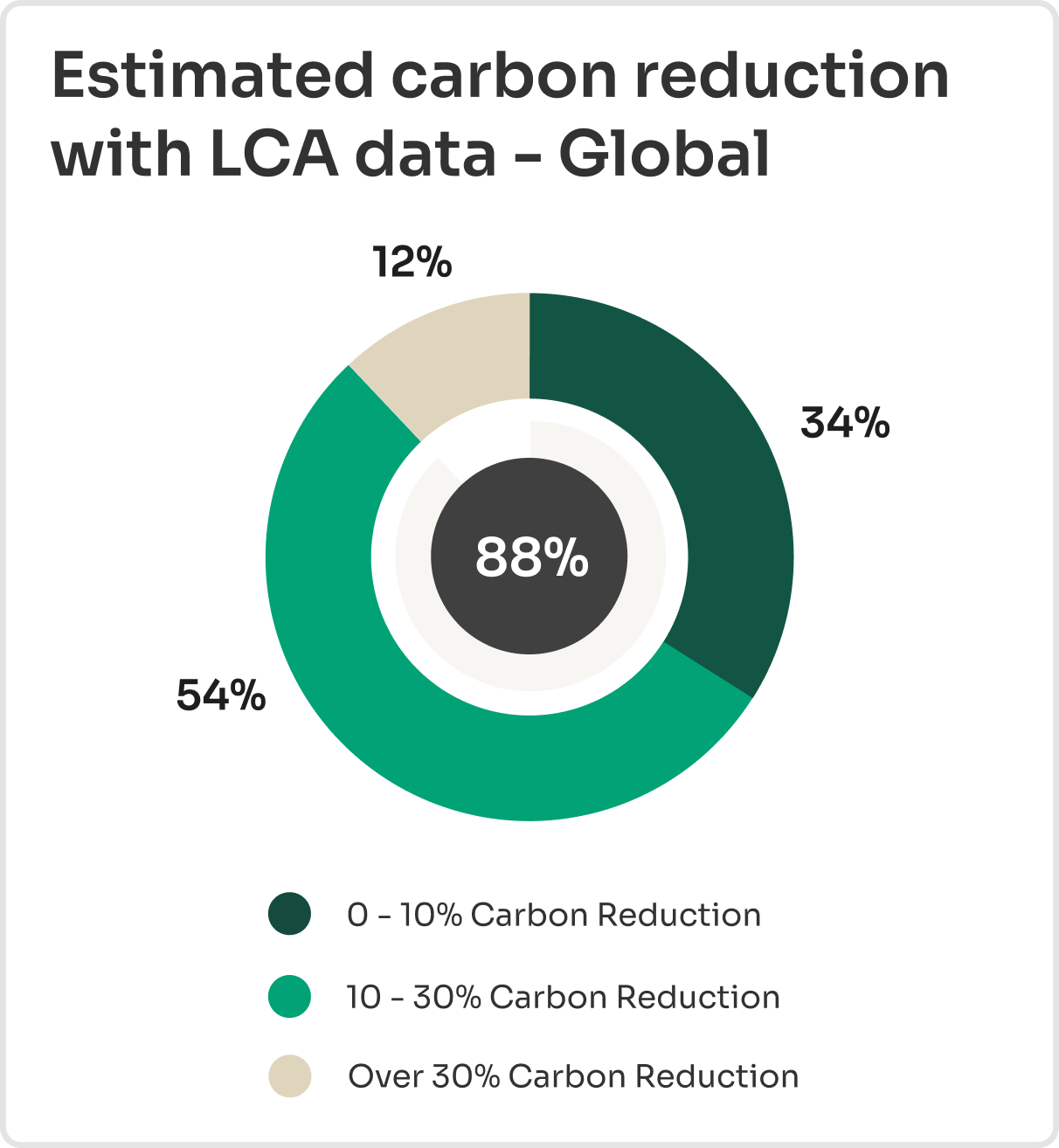
With reliable product data, they believe embodied carbon can be reduced up to 30%.
EPDs and early implementation matter
Architects, engineering, and consulting teams rely on manufacturer data to translate carbon targets into project decisions. The greatest potential is located at the first stages, pre-specification. That means that AEC demand for low-carbon design is closely tied to how early and how reliably product data is available.
Manufacturers need to scale
Providing high-quality product data is where manufacturers have the greatest influence on decarbonization. Manufacturers realize that environmental data is also turning into a strategic, competitive asset.
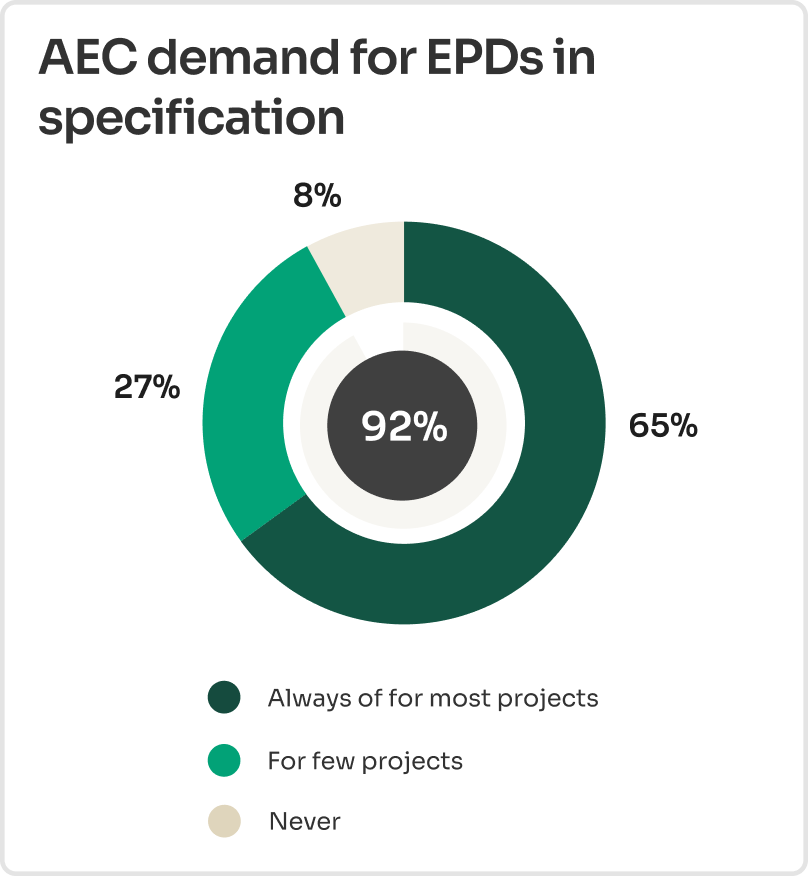
However, they still fall behind. The lack of manufacturer EPDs and qualified staff to deliver LCAs are the most limiting factor for AEC professionals, though 65% of AEC professionals require EPDs always or for most projects.
Automation and AI assistance accelerate decarbonization
Almost all respondents recognize the potential of current and upcoming technologies. In particular, automation and AI are widely seen as enablers of scale, consistency, and speed for LCA and EPDs, when underlying data is robust. The shared belief is that the next steps of construction decarbonization will be defined by how well and fast product data integrates into existing workflows.

The role of EPDs
EPDs are a competitive asset
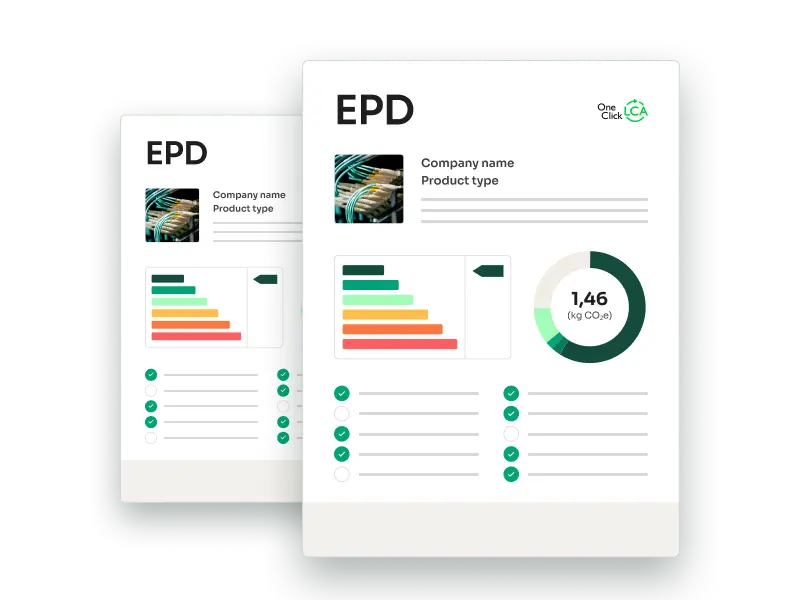
Environmental Product Declarations are the most recognized source of truth about the real impact of specific products and materials. Their availability and rigor determines whether construction projects can effectively lower their carbon impact and differentiates product offers.
Key stats:
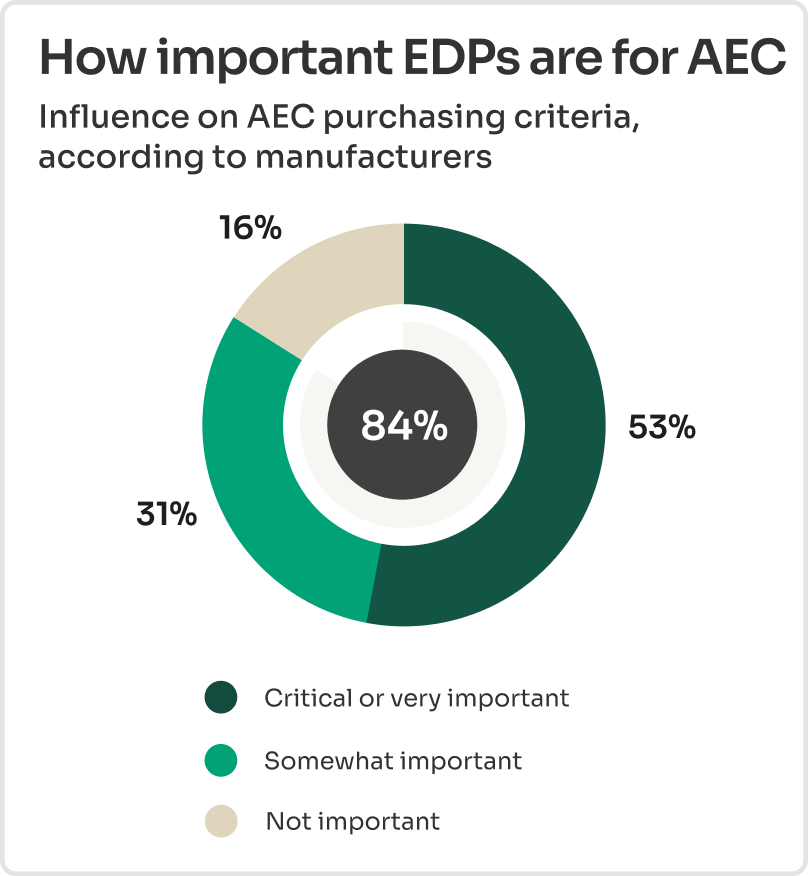
- EPDs are critical or very important for most respondents
- 65% of AEC professionals require EPDs always or for most projects.
- 3 out of 4 manufacturers covered up to 50% of their portfolio.
Cost & complexity limit decarbonization
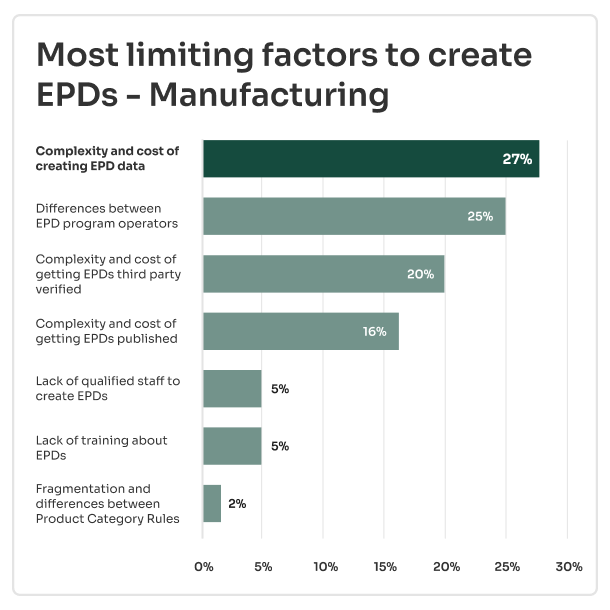
Almost half of all manufacturers report that cost, complexity, and third-party verification are their main constraints for creating more EPDs. The challenge is enablement and scale: compiling representative and verified life cycle data can require substantial internal coordination and external support.
Most product categories lack data
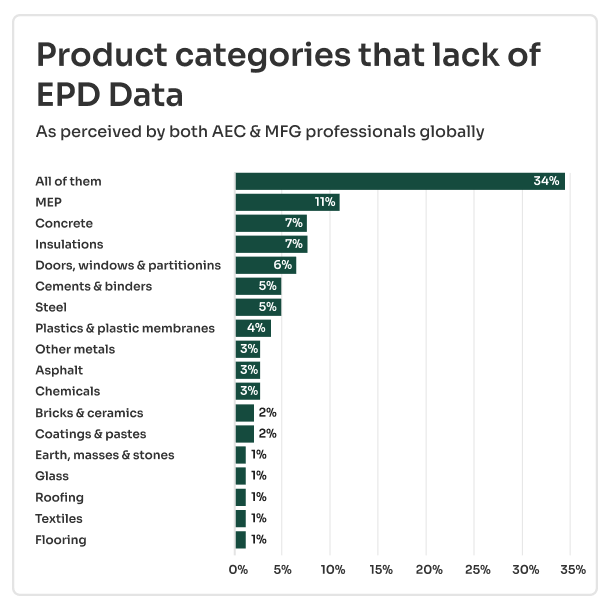
The lack of manufacturer EPDs and qualified staff to deliver LCAs are the most limiting factor for AEC professionals. A large share of AEC experts reported requiring more EPDs from all product groups, particularly MEP.
Learnings & opportunities
Insights and opportunities for manufacturers
- EPDs for market advantage: 90% of AEC professionals prefer products with EPDs, so manufacturers must treat them as strategic assets. Ensuring accessibility, quality, and comparability of EPDs improves their competitive positioning. Automation and API integration allow to scale EPD coverage for entire portfolios.
- Staying ahead of regulations: New regulations such as the EU’s CPR and CBAM are setting higher standards for environmental transparency. Manufacturers who create verified EPDs can ensure international compliance and position their products as better options for tenders and bids.
- Driving industry-wide collaboration: Data fragmentation remains a key barrier, slowing LCA adoption and limiting EPD effectiveness. Manufacturers hold the key to create and provide realiable and comparable product data.

Insights and opportunities for AEC professionals
- Maximizing LCA for carbon reduction: Most respondents believe they can achieve carbon reductions of up to 30%. Implementing LCAs early allows to compare scenarios before decisions are locked, and allows even greater reductions.
- EPDs as a market access tool: 65% of AEC professionals demand EPDs for all or most projects, which proves their increasing importance in tenders and bids.
- Strengthening manufacturer collaboration: Major data gaps remain in materials like concrete and MEP systems. Working directly with manufacturers to improve data availability and integration will accelerate decarbonization goals.